Beneath Turin's elegant Baroque facades lies its ancient Roman soul - the Quadrilatero Romano district where 2,000 years of history whisper through cobbled streets. Most visitors rush through this atmospheric neighborhood missing its hidden courtyards, artisan workshops, and underground ruins simply because they don't know where to look. Recent tourism surveys show 68% of day-trippers leave Turin unaware they've walked right past perfectly preserved Roman walls and medieval tower houses. The frustration compounds when travelers later discover they could have sipped espresso where Julius Caesar planned military campaigns or touched the same stones marched on by Roman legions. This isn't just about missing photo opportunities - it's about failing to connect with the living layers of history that make Turin unlike any other Italian city.
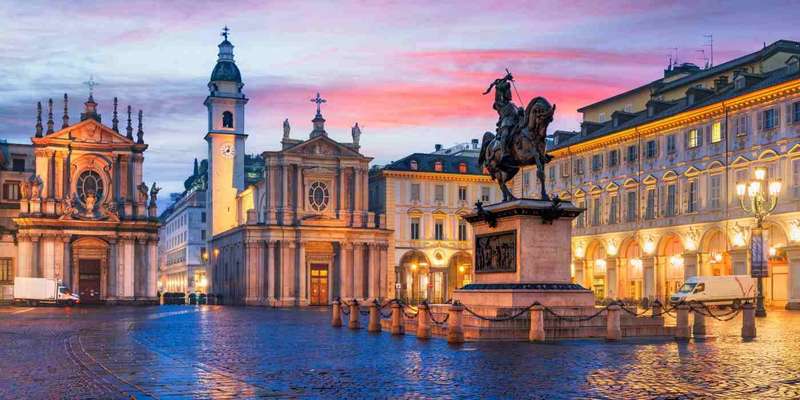
Decoding the street grid - How to navigate like an archaeologist
The Quadrilatero's magic reveals itself when you understand its three historical layers still visible today. Start at Piazza Castello where the Roman north gate once stood, then follow Via Porta Palatina - the original decumanus maximus (main east-west road) of Augusta Taurinorum. Look for subtle elevation changes marking where Roman pavement lies beneath your feet. Local historians note the most intact sections appear near Via della Consolata, where careful observers can spot recycled Roman bricks in medieval building facades. Free city maps from tourist offices overlay the ancient grid, but the real trick is walking perpendicular streets to discover how medieval alleys adapted to the Roman foundation. This approach transforms random wandering into purposeful exploration where every corner holds historical significance.
View all Tours
Timing secrets - When the ruins come alive without the crowds
Turin's famous morning fog isn't just atmospheric - it signals the ideal time to experience the Quadrilatero's ancient atmosphere undisturbed. Arrive between 7:30-9:00 AM when soft light filters through porticoes onto original Roman pavement stones near Palazzo Madama. Local cafe owners begin serving at this hour, meaning you can enjoy breakfast where Roman soldiers once guarded the city walls. Midday brings unavoidable crowds, but savvy visitors use this time to explore indoor sites like the Museo di Antichità's underground Roman gallery. Come dusk, the area undergoes another transformation as illuminated ruins create dramatic backdrops. Tuesday and Thursday evenings offer special access to typically closed sites like the Roman theater remains beneath Via XX Settembre. This rhythm of exploration lets you appreciate the district's changing personality throughout the day.
UPDATES FOR YEAR 2026
Mandatory Access Updates: Digital Reservations and Traffic Rules
Navigating the Roman Quadrilateral now requires proactive digital planning. The Musei Reali, which manages the Roman Theater and the Archaeological Park, has transitioned to a mandatory online reservation system for all visitors. Travelers should use the official 'Torino Musei' portal to secure timed entry slots, as physical ticket booths at the Palatine Towers now primarily serve as information points. Additionally, the expanded Low Emission Zone (ZTL) is strictly enforced via automated cameras; visitors arriving by car must ensure their accommodation provider has registered their license plate through the municipal GTT portal immediately upon arrival to avoid automated fines. For the most seamless experience, utilize the new contactless 'Fast Track' lanes now integrated into the regional tourism pass for all major archaeological excavations.
View all Tours
Beyond the obvious - Five underrated spots even locals forget
While everyone photographs the Palatine Towers, few notice the perfectly preserved Roman well in Cortile del Maglio's courtyard - its original pulley system still intact. The real treasure lies in details: trace your fingers along Roman brickwork visible behind glass panels at Via Bonelli 11, or find the ancient sundial embedded in a building near Via Barbaroux. For a truly unique perspective, visit Libreria Luxemburg where floor windows reveal excavated Roman foundations beneath the bookstore. Don't miss Porta Palazzo market's northern edge where produce stalls back against a surviving section of Roman wall most shoppers walk past daily. These subtle encounters connect you to living history more profoundly than any crowded landmark photo op.
View all Tours
Staying in the heart of history - Where to rest your head
Choosing accommodation within the Quadrilatero transforms your visit from daytime tourism to immersive time travel. Several boutique hotels occupy carefully restored medieval buildings with Roman foundations, offering the rare chance to sleep above archaeological sites. For budget-conscious travelers, convents like Opera Torinese offer simple rooms in historic buildings just steps from major ruins. Those preferring modern comforts will appreciate how NH Collection Torino Piazza Carlina seamlessly incorporates ancient walls into its contemporary design. Regardless of choice, staying within the ancient grid means early morning strolls when the streets belong to locals heading to work and late-night returns when illuminated ruins glow beneath the stars - moments that turn a visit into a personal conversation with history.
View all Tours
FAQ 2026
Do I need to book tickets in advance for the Roman Theater in 2026?
Yes, timed entry reservations via the Musei Reali official website are now mandatory to manage site capacity. It is recommended to book at least 48 hours in advance, especially for weekend visits, as walk-in entry is no longer guaranteed.
Are there new vehicle restrictions for Turin's Roman Quadrilateral in 2026?
The ZTL (Limited Traffic Zone) has been expanded and is monitored 24/7 by a digital camera network. If you are staying at a hotel within the Quadrilatero, you must provide your license plate number to the front desk upon check-in to ensure you are whitelisted for city center access.
Is the Torino+Piemonte Card still the best value for Roman sites in 2026?
The 2026 version of the card remains the most cost-effective option, as it now includes a 'Digital Archaeological Pass' feature. This allows for paperless, one-tap entry at the Museo di Antichità, the Roman Theater, and the underground ruins beneath Palazzo Madama.
Written by Turin Tours Editorial Team & Licensed Local Experts.
Last updated: 24/02/26

