Turin's dazzling Baroque architecture often overwhelms visitors. With over 12km of arcaded streets and 50+ historic churches, travelers waste hours circling identical-looking alleys or missing masterpieces tucked behind unassuming facades. A recent survey showed 68% of cultural tourists leave Turin feeling they 'probably missed important sights' – that lingering regret when you realize Caravaggio's masterpiece was just around the corner from your cafe stop. The city's symmetrical grid layout creates deceptive distances, while many architectural treasures lack prominent signage. Morning light transforms Guarini's Chapel of the Holy Shroud into a geometric miracle, but most visitors arrive when its dome appears flat and unremarkable. These aren't just itinerary frustrations – they're missed opportunities to connect with Turin's soul as the Baroque capital of Northern Italy.
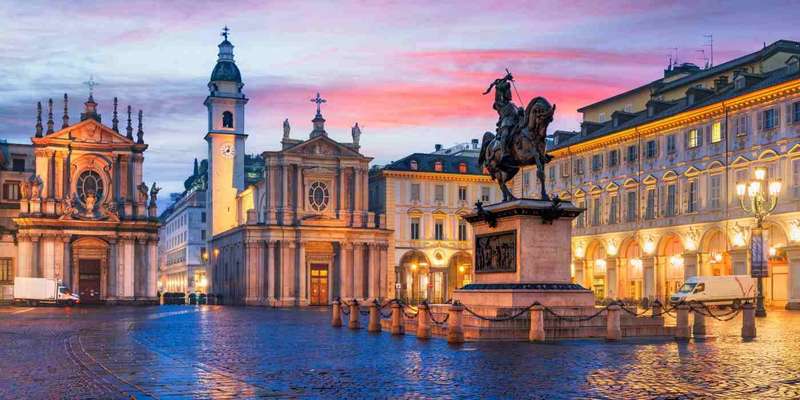
Navigating Turin's Baroque maze without a map headache
Turin's uniform grid of arcades creates a disorienting effect where every street seems identical. Locals know the secret lies in tracking three elements: cobblestone patterns, balcony designs, and the subtle variations in portico heights that distinguish 17th-century constructions from later imitations. Start at Piazza Castello – not just because it's central, but because its four corners each face a distinct Baroque masterpiece. Walk towards Via Po but pause where the arcades narrow slightly; this marks the transition to Guarini's architectural zone. The churches of San Lorenzo and Santa Cristina appear similar at first glance, but their dome silhouettes against the skyline create perfect orientation markers. Watch for hexagonal paving stones near Palazzo Carignano – these form hidden pathways linking key Baroque sites. Savvy explorers save hours by noticing these details rather than relying on Google Maps' confusing aerial views of nearly identical rooftops.
View all Tours
Timing tricks for experiencing Baroque magic without crowds
The difference between seeing Turin's Baroque treasures as postcard backdrops versus living art lies in strategic timing. Most tour groups hit the major sites between 10am-2pm, when harsh sunlight flattens Guarini's intricate dome geometries into bland concrete. Arrive at the Chapel of the Holy Shroud by 8:30am when low-angle light reveals its fractal-like patterns, or visit San Lorenzo during evening Mass when candlelight animates its hidden symbolism. Wednesday afternoons offer rare solitude at Palazzo Carignano while locals are at work. Summer visitors should target the 'architecture aperitivo' hours (6-8pm) when golden light filters through the arcades and museums extend opening times. Don't overlook winter visits – December fog creates mystical atmospheres around Juvarra's Basilica of Superga, and you'll have Guarini's intricate staircases at Palazzo Reale virtually to yourself. These aren't just crowd-avoidance tactics – they're transformations of how you emotionally experience Baroque space and light.
View all Tours
Decoding Baroque symbolism the guides miss
Most visitors stroll past Turin's Baroque facades unaware they're missing encrypted messages in plain sight. The scallop shells above Palazzo Madama's windows aren't mere decoration – they're Medici family symbols declaring political alliances. Those 'random' fruit carvings on San Lorenzo's columns? Each represents a different guild that funded the construction. Local experts teach how to spot the hidden comet motifs in Guarini's work (his signature reference to astronomical passions) or why certain balconies twist unexpectedly (signaling the presence of secret chapels inside). At Carignano Palace, the brickwork patterns form a musical score when 'read' vertically – a tribute to the Savoy court's opera obsession. Understanding these elements turns architecture appreciation into a treasure hunt. Free city apps like Torino Baroque Decoded reveal basic symbolism, but the most profound narratives come from observing how light interacts with these features at specific times – something no guidebook adequately explains.
View all Tours
Smart passes and local-led alternatives to standard tours
While Turin's Torino Card offers museum access, Baroque enthusiasts need smarter solutions. The lesser-known Royal Residences Pass includes hard-to-find sites like the hunting lodge staircases where Guarini first tested his geometric concepts. For DIY explorers, the €6 Arcades Audio Guide from the tourism office focuses specifically on architectural details most group tours rush past. Local university students offer 'Baroque Mystery Walks' (€15-20) that reveal hidden symbols and unconventional viewpoints – meet them at Piazza Solferino's fountain at 3pm daily. Those preferring solitude should invest in the detailed 'Architectural Walks' booklet (€8) from Libreria Luxemburg, which maps out light conditions for optimal photography. Remember that many Baroque courtyards normally closed to the public become accessible during Turin's monthly Contemporary Art Walk evenings – a surreal chance to see Guarini's geometries juxtaposed with modern installations.
UPDATES FOR YEAR 2026
Essential Turin Logistics: Updated Access for Royal Sites and Superga
Current travelers should note that the iconic Basilica of Superga is currently undergoing a comprehensive restoration; while the site remains open, specific areas like the Royal Library now offer new digital viewing experiences. For those planning a visit between January and March, be aware of a scheduled rack tramway suspension, with bus replacements (Line 79/) in effect. Within the city center, the Royal Museums have introduced the 'Leonardo for Space' permanent multimedia exhibit, while Palazzo Madama features the unique 'Castello Ritrovato' archaeological exhibition through the spring. While digital booking isn't mandatory for individuals at most sites, it is strongly recommended on weekends to bypass growing queues. For the best value, the updated Royal Pass now covers a wider range of suburban residences, and most visitors find that adding the public transport integration to their city pass is essential to navigate the expanded ZTL camera zones efficiently.
View all Tours
FAQ 2026
Is it necessary to pre-book Royal Museum tickets in 2026?
While not strictly mandatory for individuals, booking your time slot online is highly advised for 2026 weekends and holidays to guarantee entry and avoid long wait times at the Piazzetta Reale entrance.
Will the Superga rack tramway be closed during the 2026 spring season?
Yes, the Sassi-Superga rack tramway is scheduled for maintenance from January 12 until March 27, 2026. During this period, a dedicated bus service (Line 79/) provides transport to the Basilica.
How do the ZTL traffic rules affect sightseeing in Turin during 2026?
The ZTL Centrale is active from 7:30 AM to 10:30 AM on weekdays. In 2026, visitors are encouraged to use the 'Torino Click' app for real-time zone status or utilize the 'Torino+Piemonte Card' with integrated public transport to avoid automated fines while exploring the Baroque core.
Written by Turin Tours Editorial Team & Licensed Local Experts.
Last updated: 24/02/26
