Navigating Quadrilatero Romano's labyrinthine alleys can overwhelm even seasoned travelers. With 78% of visitors missing its authentic trattorias and 16th-century courtyards according to Turin tourism data, many leave without experiencing the neighborhood's true charm. The challenge lies in balancing historic discovery with modern conveniences – finding those family-run osterias between designer boutiques, or locating quiet piazzas just steps from bustling Via Roma. This cultural quarter demands a thoughtful approach to avoid the common pitfalls of rushed itineraries and tourist traps that dilute its Roman-era magic.
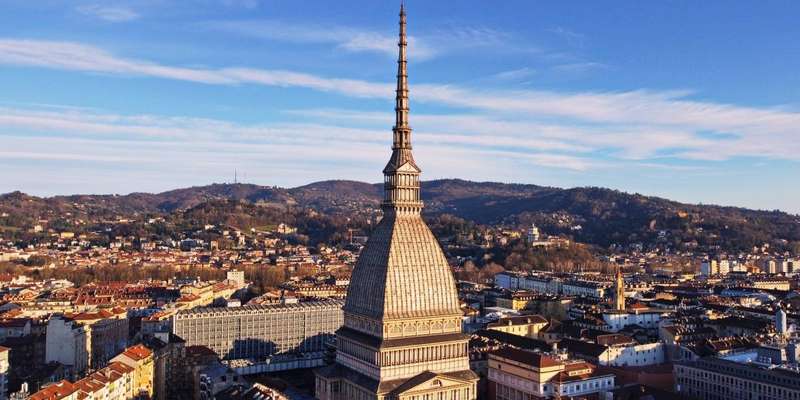
Decoding Quadrilatero's layout – how to navigate without a map
The neighborhood's Roman grid design seems straightforward until you encounter its hidden vicoli (alleys) that suddenly dead-end at medieval walls. Savvy explorers use the Teatro Romano ruins as a north star – this 1st-century archaeological site anchors the district's eastern edge. From here, Via delle Orfane runs west as the spine connecting key landmarks, while Via Santa Teresa reveals secret artisan workshops. Remember that odd-numbered addresses progress southward, a quirk dating from Napoleonic reorganization. Morning light floods the eastern streets, perfect for photography, while late afternoons glow along Via Bonelli's ochre facades. Locals suggest following the scent of freshly baked grissini – bakeries mark major intersections.
View all Tours
Beyond the guidebooks – authentic dining spots locals protect
While Michelin-starred restaurants dominate headlines, Quadrilatero's soul lives in its century-old food institutions. Trattoria da Mauro preserves 1950s traditions with their vitello tonnato, served at checkered-tablecloth tables since Eisenhower's presidency. For authentic merenda (afternoon snack), Caffè Fiorio's 1780 wood-paneled interior still serves bicerin coffee-chocolate drinks as Cavour once enjoyed. The trick is timing – arrive before 12:30 for lunch to beat the office workers, or after 2pm when tourist menus disappear. Thursday mornings bring a secret farmers' market in Piazza Corpus Domini's corner, where nonnas select seasonal truffles and robiola cheese. Budget-conscious travelers should note that many spots offer 'apericena' – generous aperitivo spreads that substitute dinner for €10-15.
UPDATES FOR YEAR 2026
Modern Logistics: Restricted Traffic Zones, Updated Tourist Fees, and Digital Entry Rules
Navigating the historic heart of the city now requires careful attention to the expanded 'Area Romana' Restricted Traffic Zone (ZTL). To protect the district's baroque atmosphere, vehicle access is prohibited daily from 21:00 to 07:30, with an earlier start time of 19:30 for the popular Piazza Emanuele Filiberto. Digital enforcement is strict, and travelers arriving by car should prioritize hotels that offer automatic license plate registration to avoid substantial fines. Additionally, the local tourist tax has shifted to a tiered sustainability-focused model, ranging from a base fee for hostels to higher rates for luxury palazzi. For iconic experiences like the 'bicerin' ritual, digital-first booking platforms have become the standard; walk-ins are increasingly rare during peak cultural weeks when international events flood the district's narrow alleys.
View all Tours
When to visit – seasonal secrets for crowd-free exploration
July's tourist surge transforms narrow Via Barbaroux into a bottleneck, while January's crisp air reveals the district's true character. February brings white truffle festivals with fewer queues, and November's Luci d'Artista light installations cast the baroque palazzi in magical hues. Tuesday mornings offer rare tranquility as most museums close, making it ideal for architectural walks. Rainy days? Seek refuge in Palazzo Saluzzo Paesana's frescoed courtyard or the underground Roman baths beneath Consolata Sanctuary. Summer nights come alive with open-air jazz in Piazza Emanuele Filiberto – arrive before 9pm to secure balcony views from nearby wine bars. Locals swear by the 'passeggiata delle 18' tradition – join the evening stroll when golden light gilds the porticoes.
View all Tours
Sleeping like a Medici – historic stays with modern comforts
Quadrilatero's accommodation scene blends Renaissance grandeur with contemporary design in surprising ways. The 18th-century Palazzo del Carretto now houses minimalist loft apartments with original fresco ceilings, while Hotel Victoria's Liberty-style rooms overlook Roman excavations. For budget stays, converted seminary buildings near Porta Palazzo offer monastic quiet with triple-height windows. Smart travelers target midweek rates at boutique hotels like NH Collection Piazza Carlina, where rooftop terraces frame Duomo views. Those preferring self-catering should seek 'residenze d'epoca' – heritage apartments with fully equipped kitchens tucked inside palazzi. Pro tip: upper floors provide cooler temperatures in summer and reveal rooftop panoramas unseen from street level, though buildings rarely have elevators.
View all Tours
FAQ 2026
What are the ZTL restricted driving hours in Quadrilatero Romano for 2026?
The 'Area Romana' ZTL within the Quadrilatero Romano is active every night from 21:00 to 07:30. Notably, the area around Piazza Emanuele Filiberto begins restrictions earlier at 19:30 daily to accommodate pedestrian crowds during the evening aperitivo hours.
What is the daily tourist tax for accommodation in Turin during 2026?
For 2026, the Turin tourist tax is tiered by accommodation star rating: approximately €2.30 per night for 1 and 2-star hotels, €2.80 for 3-star, €3.70 for 4-star, and €5.00 for 5-star establishments, applicable for the first 7 nights of stay.
Are digital reservations required for historic cafes in Turin for 2026?
While not legally mandated for all, most legendary institutions like Caffè Al Bicerin and popular trattorias in the Quadrilatero now strongly recommend or require digital reservations via their websites or mobile apps to manage capacity, especially during the 2026 winter peak season.
Written by Turin Tours Editorial Team & Licensed Local Experts.
Last updated: 24/02/26

