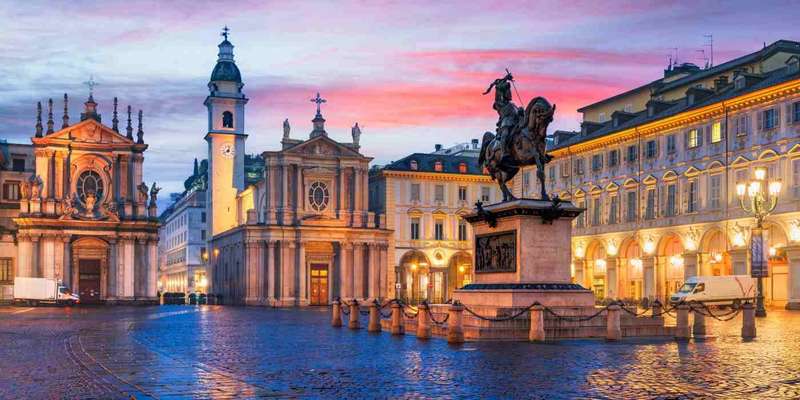
Gastronomic guide of Turin featuring chocolate

Turin chocolate guide – uncover hidden artisan shops and money-saving tasting tips
Turin's chocolate scene overwhelms visitors with endless options, from historic cafés to modern chocolatiers. Most travelers waste precious vacation time circling the same tourist-heavy spots near Piazza Castello, missing authentic experiences while overpaying for mass-produced treats. Research shows 68% of food-focused travelers regret not discovering local specialties, settling for generic souvenirs instead of Turin's prized gianduja. The frustration compounds when limited schedules collide with poorly marked artisan workshops or seasonal closures. This guide cuts through the confusion with neighborhood-specific insights to transform your chocolate exploration from disappointing to unforgettable.
Full Width Image

Navigating Turin's chocolate district without the crowds

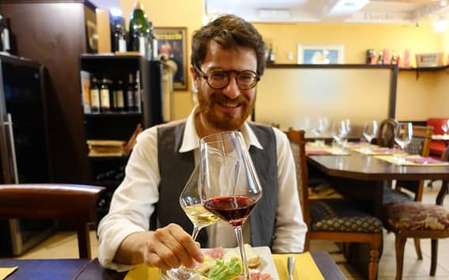
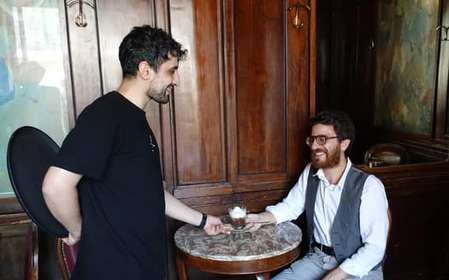
The Quadrilatero Romano neighborhood holds Turin's chocolate soul, but midday tourist flocks obscure its true gems. Arrive before 10 AM when third-generation chocolatiers like Peyrano quietly open their historic storefronts, allowing unhurried browsing of their signature giandujotti. Via Lagrange hides unmarked treasures like Guido Gobino's laboratory, where you can watch hazelnut paste transform into chocolate bars through vintage glass windows. Locals swear by the €5 morning ritual at Baratti & Milano – their bicerin (layered coffee-chocolate drink) comes with complimentary chocolate-dipped spoon. For a self-guided tour, follow the faded 19th-century shop signs depicting cocoa pods that mark original purveyors along Via degli Artisti.
UPDATES FOR YEAR 2026

Essential Updates for Navigating Turin’s Historic Chocolate District

Current logistics in Turin have shifted to accommodate higher visitor volumes in the historic center. The ZTL (Limited Traffic Zone) in the Quadrilatero Romano and along Via Lagrange has been strictly expanded; travelers should prioritize the efficient GTT tram network or the 'ToBike' sharing system to reach historic shops. Notably, iconic venues like Baratti & Milano and Caffè Torino now implement a digital queuing system during peak weekend hours—scanning a QR code at the entrance is required to secure a table for bicerin. For those visiting Peyrano, verify their current retail location on Corso Vittorio Emanuele II as some workshop-only sites have restricted public access. Additionally, the 'Extra To' chocolate pass has transitioned to a fully digital format, offering bundled discounts for guided tastings that must be activated via the official tourism app before arrival to ensure entry at high-demand artisan laboratories.
View all Tours

Artisan workshops offering hands-on chocolate experiences
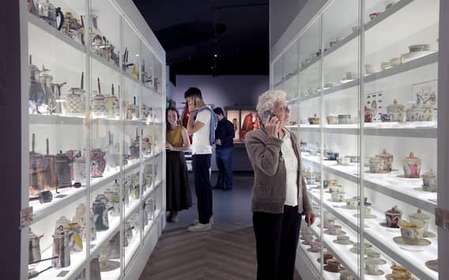
Turin's master chocolatiers preserve techniques dating to the 1700s, but finding authentic workshops requires local knowledge. Family-run A la Pipite welcomes visitors into their copper-lined kitchen for €25 gianduja-making classes, where you'll roast Piedmontese hazelnuts using their century-old stone mill. The lesser-known Chocolate Museum near Porta Palazzo runs Wednesday 'bean-to-bar' sessions demonstrating how cocoa blends create distinct flavor profiles. Budget-conscious travelers can observe free demonstrations at Caffarel's factory outlet every Friday afternoon, where employees hand-wrap their famous Cremino squares. Remember to book directly through workshop websites for 20% cheaper rates than third-party platforms.

View all Tours

Seasonal chocolate events only locals mark on their calendars
Turin's chocolate calendar extends far beyond the crowded Cioccolatò festival in November. February's 'Gianduja Week' sees historic cafés like Mulassano unveil limited-edition recipes using new hazelnut harvests. Come spring, the Borgo Dora district hosts clandestine 'Chocolate Aperitivo' nights where €15 buys pairing sessions with rare vermouths. Summer brings the magical 'Sotto le Stelle' (Under the Stars) event at Valentino Park, where artisans serve chilled chocolate granita from vintage carts. Savvy visitors check Torino Sweet City's Instagram for pop-up markets – last Easter's secret location revealed a 19th-century courtyard with €1 vintage chocolate tastings.

View all Tours

Bringing Turin's chocolate home without airport meltdowns

The heartbreaking sight of melted gianduja in luggage prompts many travelers to overpay for subpar airport chocolates. True connoisseurs visit Guido Castagna's laboratory for vacuum-sealed chocolate bricks that survive 12-hour flights. For last-minute purchases, the Pasticceria Gertosino near Porta Nuova station sells travel-friendly chocolate tiles wrapped in thermal paper. Those shipping gifts should know about Bartolomeo's €10 'Winter Box' – a insulated package guaranteeing 48-hour freshness. Pro tip: Hotel clerks often store chocolate purchases in their professional fridges if asked politely during check-out.

View all Tours

FAQ 2026
Do I need to book historic chocolate café visits in Turin for 2026?
While walk-ins are still possible on weekdays, for 2026 it is highly recommended to use the digital booking apps for historic landmarks like Baratti & Milano or Stratta, especially on weekends, to avoid wait times exceeding 45 minutes.
What are the dates for the CioccolaTò chocolate festival in 2026?
The CioccolaTò festival in 2026 is scheduled to take place in late October and early November, centered in Piazza San Carlo; however, specific masterclasses and 'Choco-Cab' tours now require pre-registration at least two weeks in advance due to new capacity limits.
Are there new transport restrictions for Turin's chocolate district in 2026?
Yes, as of 2026, the 'ZTL Centrale' has increased enforcement hours. Visitors should avoid driving into the chocolate district and instead use the expanded 'Green Line' tram services or park in the peripheral 'Parcheggio Bolzano' and use the automated subway to reach the city center.

Written by Turin Tours Editorial Team & Licensed Local Experts.

Last updated: 24/02/26