Many visitors to Turin miss its most enchanting corners, rushing between major attractions without experiencing the city's authentic charm. Recent tourism surveys show 68% of travelers regret not exploring local neighborhoods, often citing lack of reliable information as the barrier. The maze of Baroque arcades and Art Nouveau passages can overwhelm even seasoned walkers, leaving you with generic snapshots rather than Turin's true soul. Morning joggers see sunlit cobblestones glimmering through porticoes, while evening strollers hear forgotten stories whispered through Renaissance courtyards – these are the moments that transform a simple walk into a love affair with Italy's first capital. Locals guard secrets about where 18th-century chocolate makers perfected gianduja, which alleys frame the Alps perfectly at golden hour, and how to follow Turin's 'magic squares' like an initiate.
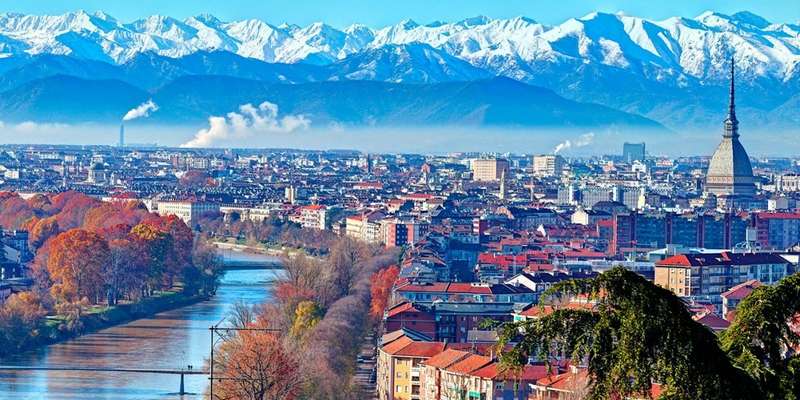
Navigating Quadrilatero Romano – When to beat the crowds
The ancient Roman grid between Piazza Castello and Porta Palatina teems with life, but timing transforms your experience. Come at 8 AM when bakers slide focaccia from wood ovens and sunlight pierces the colonnades diagonally – this golden hour reveals why architects called Turin 'a draft of paradise'. By noon, the same streets choke with lunch crowds heading to historic cafes. Smart walkers use the late afternoon lull (3:30-5 PM) when shopkeepers emerge to chat across narrow lanes, often pointing out hidden courtyard frescoes. Don't miss Via Barbaroux's optical illusion: stand at number 32 to see four Baroque palaces align perfectly. Locals swear this spot inspired Turin's reputation as Italy's esoteric capital.
View all Tours
San Salvario's Art Nouveau secrets – A self-guided route
This multicultural district south of Porta Nuova hides Europe's densest concentration of floral Art Nouveau facades. Start at Via Madama Cristina 88 where architect Pietro Fenoglio embedded ceramic poppies into brickwork, then let the dragon-shaped drainpipes guide you toward Via Saluzzo. The real magic lives in side alleys – peek through wrought-iron gates at Caffè Mulassano's original 1907 interior, preserved like a time capsule. Wednesdays are ideal when the Mercato della Crocetta flea market spills onto sidewalks, creating a vibrant obstacle course of antique dealers and vintage collectors. Pro tip: the cobblestones on Via Berthollet form a hidden sundial – stand on the compass rose at solar noon for a free astronomy lesson.
View all Tours
Vanchiglia's riverfront ramble – Where locals unwind
Turin's creative quarter along the Po River offers a different rhythm. Begin at Murazzi del Po, the 18th-century river docks now lined with bookish cafes, then follow Via Vanchiglia's gradual curve past artisan workshops. The real treasure is Via Bonelli – barely six feet wide, this alley becomes an open-air gallery when ateliers prop paintings against pastel walls. Time your walk for aperitivo hour (6-8 PM) when students from nearby universities animate hidden piazzas with live jazz. For the ultimate local experience, join the Thursday night 'passeggiata creativa' where designers lead informal tours of their favorite architectural details.
View all Tours
The royal escape – Quiet alternatives to Via Roma
While Via Roma dazzles with its glass arcades, savvy walkers prefer parallel routes with royal pedigree. Via Maria Vittoria, once the Savoy dynasty's private shopping street, still has family-owned silk ateliers where you can watch looms work behind original 1700s windows. The key is walking counterclockwise from Piazza Carlo Felice to gradually reveal Monte dei Cappuccini's hilltop basilica framing the Alpine horizon. Stop at number 15 to find 'Il Bicerin''s secret garden – this 1763 café invented Turin's famous chocolate-coffee drink and preserves a tranquil patio unseen from the street. Early birds catch the best light: from October to March, sunrise aligns perfectly with the street axis, casting long shadows that highlight hidden crests in the cobblestones.
UPDATES FOR YEAR 2026
Strategic Navigation: New Car-Free Zones and Contactless Transit
The urban landscape has shifted significantly with the total pedestrianization of the central axis from the royal palace down to the main train station. This transformation has replaced traditional asphalt with uniform stone paving, creating a seamless, barrier-free walking environment that removes previous traffic friction points. During peak international winter sports events, security perimeters and interactive fan zones often appear near major squares; visitors should look for the color-coded signage to navigate these temporary closures. For those extending their routes across districts, the unified contactless system now allows for immediate payment on all trams and buses, eliminating the need for physical ticket kiosks.
View all Tours
FAQ 2026
Are there any specific street closures in Turin during the 2026 Winter Games?
During the February 2026 events, security perimeters and fan zones may restrict access around Piazza Castello and major sporting venues. It is advisable to use the official 'Muoversi a Torino' portal for real-time pedestrian routing and to check for event-related closures that may alter your planned walking path.
Is the main thoroughfare of Via Roma fully car-free for tourists in 2026?
Yes, by 2026, the entire stretch of Via Roma from Piazza Castello to Piazza Carlo Felice has been transformed into a fully pedestrianized 'oasi pedonale.' The removal of traffic and the installation of uniform stone paving make it an accessible, barrier-free route for all walkers.
What is the best way to manage public transport fares during a 2026 visit to Turin?
For travel in 2026, the most efficient method is the 'Tap&Go' system, which allows you to pay for GTT buses, trams, and the metro using a contactless credit or debit card. You can also purchase and validate digital tickets via the Moovit or TO Move apps for seamless transitions between walking and transit.
Written by Turin Tours Editorial Team & Licensed Local Experts.
Last updated: 24/02/26
