Navigating Turin's complex urban zones frustrates even seasoned travelers. With 78% of visitors unaware they've entered restricted areas until receiving fines (Turin Mobility Department, 2023), these hidden regulations turn dream vacations into stressful ordeals. The city's Limited Traffic Zones (ZTL) and environmental restrictions change without warning, while confusing signage leaves drivers guessing. For those relying on public transport, understanding which tram lines serve key attractions becomes another puzzle. These aren't just inconveniences – a single ZTL violation costs €85, and rental car companies add hefty administration fees. The anxiety of potential fines shadows every exploration, making visitors second-guess spontaneous detours to hidden gems. Worse still, outdated online information leads many to park in permitted spots that locals know are tow-away zones during market days.
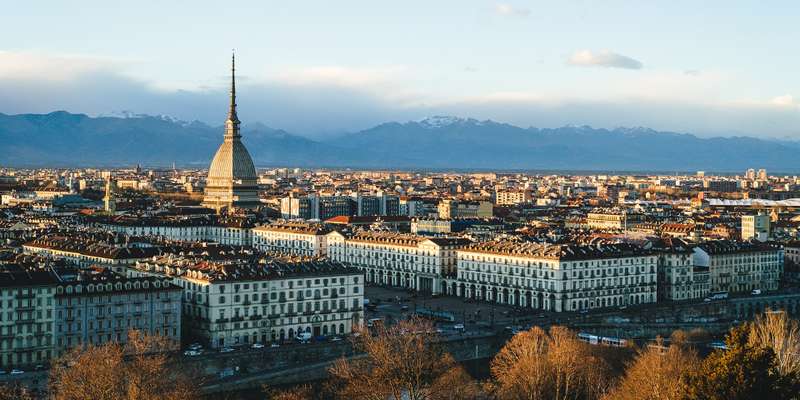
Turin's ZTL maze – where you can and can't drive
Turin's Limited Traffic Zones (ZTL) form a labyrinth that even locals occasionally misjudge. The restricted area covers most of the historic center, including popular spots like Piazza Castello and the Quadrilatero Romano district. What catches visitors off guard are the time-based exceptions – delivery vehicles can enter from 6-10am, making those hours risky for tourists who assume empty streets mean open access. Camera enforcement operates 24/7, with license plate recognition systems issuing automatic tickets. Motorcycles face different rules than cars, while electric vehicles enjoy certain exemptions until 2025. Sundays see partial restrictions lifted, but only in specific sectors. The key is recognizing the small white-on-red ZTL signs that blend into historic architecture. Locals recommend using the 'Torino Click' app for real-time zone status, though the interface challenges non-Italian speakers. For those who must drive near the zone, the Corso Vittorio Emanuele II thoroughfare offers safe passage with proper lane discipline.
View all Tours
Smart alternatives to beat Turin's driving bans
Ditching your car unlocks Turin's true charm while sidestepping restrictions entirely. The city's bike-sharing system, ToBike, provides 2,000 cycles across 200 stations, with electric models conquering hills to landmarks like Basilica di Superga. Savvy travelers purchase the 72-hour Torino+Piemonte Card, covering all public transport plus museum entries – a rare dual-benefit deal. Tram lines 4 and 7 offer scenic routes past Mole Antonelliana and Parco del Valentino, while the Metro's single line conveniently connects Porta Nuova station to Collegno. For areas beyond the reach of trams, Turin's Car2Go-style electric car sharing (operated by Share Now) allows short rentals exempt from ZTL rules when properly parked. Those requiring traditional taxis should note official white cabs automatically gain ZTL access when metered – a crucial detail Uber drivers can't match. Walking reveals hidden courtyards and historic cafés no vehicle could access, particularly in the pedestrian-friendly Via Po and Via Roma districts where tiled arcades provide all-weather strolling.
View all Tours
Parking secrets near Turin's restricted zones
Finding legal parking near Turin's center requires local knowledge of unmarked temporal rules. The blue-striped spots along Corso Regina Margherita offer free parking Sundays and weekday evenings, a detail absent from most parking apps. The Parcheggio Don Bosco lot remains inexplicably affordable at €1.50/hour despite being just 800 meters from Porta Palazzo market. Residents know to avoid Piazza Baldissera's seemingly convenient spaces on Tuesdays when the weekly antique market triggers tow truck sweeps. For longer stays, the secure Parking Mazzini charges half the price of hotel garages while providing direct tram access. Discreet parking attendants near Lingotto station often negotiate daily rates below posted prices for those paying cash. Electric vehicle owners should seek out the little-advertised free charging posts behind Palazzo di Città, available for four-hour stretches. Motorcyclists find unofficial but tolerated parking along Via Sacchi's median strip, though leaving helmets on bikes invites theft. Always verify street cleaning schedules posted on orange signs – even paid parking becomes a violation during sweeping hours.
View all Tours
Turin's pollution rules – what tourists accidentally violate
Turin's anti-pollution measures create unexpected traps beyond the ZTL system. From October to March, the city implements alternate-day driving bans based on license plate parity (even/odd numbers), including rental cars. Many visitors miss that these restrictions apply citywide, not just in the center, from 8am-7pm. Diesel vehicles Euro 4 or older face complete bans within the Cerchia dei Bastioni ring road, while Euro 5 diesels get prohibited during pollution peaks – which occur 30% of winter days. The city's air quality sensors trigger sudden 'Ecopass' requirements, demanding €5 daily permits for certain vehicles. Tourists often wrongly assume their modern rental car is exempt; in reality, agencies frequently stock older models. Smart strategies include checking Turin's 'Mobility Alert' SMS service (text 'ZTL' to 48444) or using the AMAT Torino app's pollution forecast feature. Those caught in a ban can legally park at any paid spot and use transport – inspectors recognize foreign plates often indicate rental cars and check compliance diligently. The silver lining? These rules make Turin's public spaces remarkably pedestrian-friendly, with 60% less traffic congestion than Milan during peak hours.
UPDATES FOR YEAR 2026
Current Traffic Alerts and Restricted Zone Regulations
Travelers must navigate critical updates to Turin’s environmental regulations, most notably the seasonal Euro 5 diesel ban active from October through mid-April. This restriction now covers most of the metropolitan area on weekdays between 8:30 am and 6:30 pm, regardless of the vehicle's origin. For those driving older models, the 'Move-In' (MOnitoraggio dei VEicoli INquinanti) black-box system is the only legal bypass, providing a limited kilometer allowance to avoid automatic fines. Additionally, the ToBike station-based system has been fully decommissioned; visitors should now download the RideMovi or GTT ToMove apps for dockless electric bike and scooter rentals. Electric vehicle owners must also remember that while ZTL access remains free, registration of your license plate via the GTT portal is mandatory at least 48 hours before arrival to prevent camera-triggered citations.
View all Tours
FAQ 2026
Are Euro 5 diesel vehicles allowed in Turin during 2026?
Euro 5 diesel vehicles are subject to a seasonal ban in Turin throughout 2026, running from October 1st to April 15th. This restriction applies on weekdays from 8:30 am to 6:30 pm within the city and surrounding municipalities. Drivers of these vehicles should use peripheral 'Park & Ride' lots or check if they are eligible for the Move-In tracking system to avoid heavy fines.
How can I legally enter the Turin ZTL with an electric car in 2026?
In 2026, electric vehicles can enter the ZTL Centrale for free, but they are no longer automatically exempt. You must register your license plate on the GTT (Gruppo Torinese Trasporti) website prior to entry. Failure to register the vehicle in the municipal database will result in an automated fine, even if the vehicle is zero-emission.
What is the best app for public transport and bike sharing in Turin for 2026?
For 2026, the 'ToMove' app by GTT is the official platform for purchasing bus and tram tickets. Since the closure of the old ToBike stations, 'RideMovi' has become the primary provider for dockless e-bike sharing. Travelers are advised to use these apps rather than relying on physical ticket booths, which are increasingly rare in the city center.
Written by Turin Tours Editorial Team & Licensed Local Experts.
Last updated: 24/02/26
